
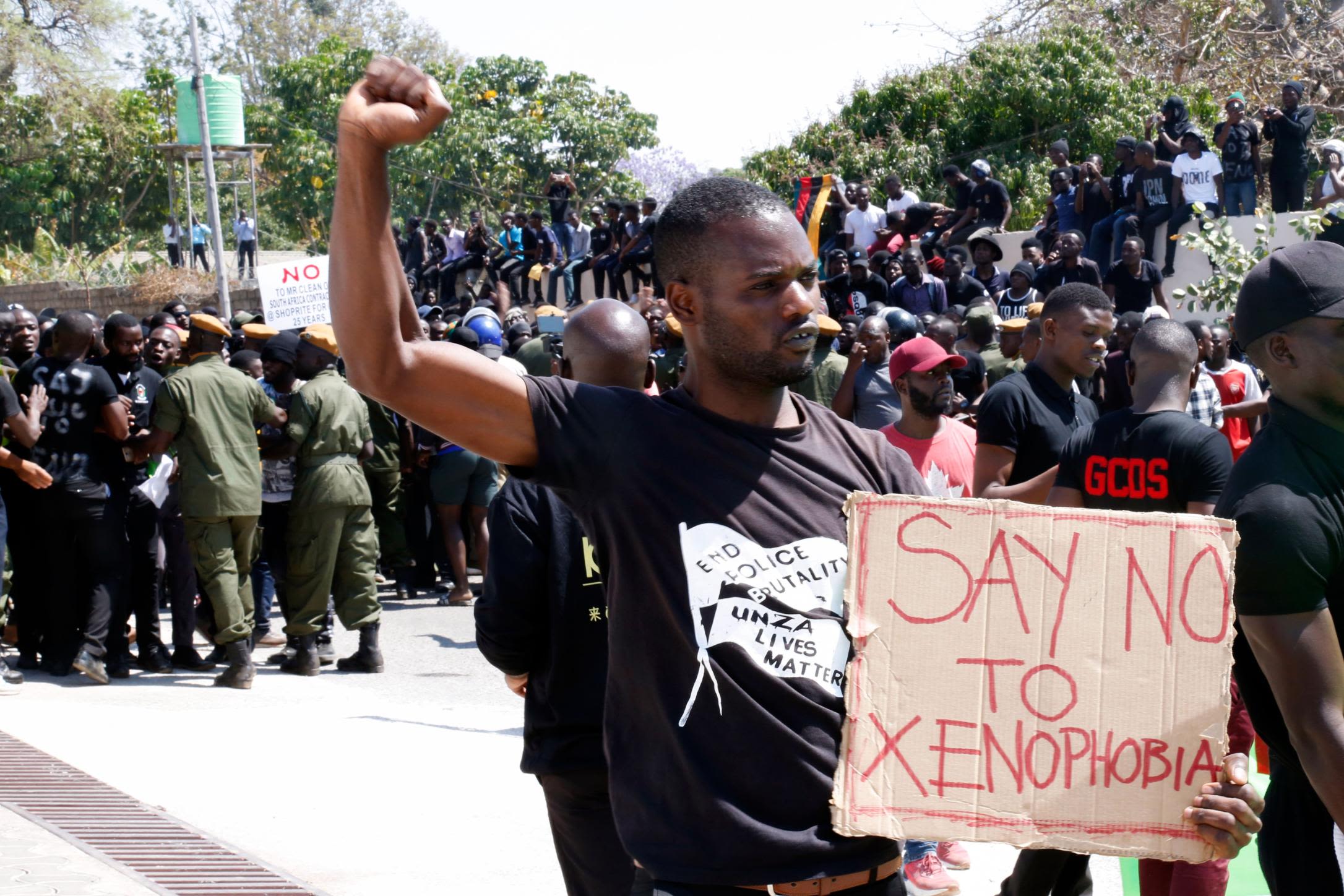

Nigeria, Ghana, Mozambique, Malawi and Zimbabwe have begun evacuating citizens as xenophobic violence escalates in South Africa.
At least five African countries have either repatriated their citizens or commenced evacuation efforts from South Africa following a fresh wave of xenophobic attacks that has heightened diplomatic tensions across the continent.
The latest unrest, which began in April, has seen reports of foreign nationals being assaulted, threatened and forced from their homes and businesses by anti-immigrant groups in various parts of South Africa. Videos circulating online showed mobs attacking Black foreign nationals and demanding that they leave the country.
The violence has revived longstanding concerns over xenophobia in South Africa, where migrants, refugees and asylum seekers from other African countries have repeatedly been targeted during periods of social and economic tension. International organisations and human rights groups have consistently warned about the dangers posed by anti-immigrant sentiment, which is often fuelled by claims that foreign nationals are responsible for crime, unemployment and poor service delivery.
Recent incidents have reportedly claimed the lives of at least 12 African migrants, including two Nigerians, five Mozambicans and five Ethiopians. The deaths have triggered strong reactions from several African governments, many of which have issued travel advisories, summoned South African diplomats and initiated emergency evacuation programmes for their nationals.
Ghana Leads Evacuation Efforts
Ghana became the first African country to organise a large-scale evacuation exercise, repatriating hundreds of its citizens from South Africa in May. Ghanaian authorities later announced that approximately 1,000 nationals had been successfully evacuated and returned home.
The government also introduced reintegration and employment initiatives aimed at assisting returnees as they rebuild their lives. Ghana has repeatedly condemned the attacks, describing them as inconsistent with the ideals of African unity and Pan-African solidarity.
Mozambique Brings Home Hundreds
Mozambique has repatriated about 700 citizens following the killing of five Mozambicans during the recent violence. Authorities have also begun arrangements to return the bodies of victims to their families.
Government officials indicated that additional evacuations remain underway, with many displaced citizens currently being sheltered in safe locations pending transportation back home.
Malawi Evacuates First Batch of Citizens
Malawi has also commenced voluntary repatriation efforts, receiving its first group of 171 returnees, including men, women and children who had sought refuge after being displaced by the attacks.
The Malawian government said it would continue providing transportation, consular assistance and reintegration support to citizens affected by the violence.
Zimbabwe Repatriates Nationals
Zimbabwe has likewise evacuated dozens of citizens from South Africa. Returnees reportedly recounted experiences of intimidation, harassment and violence, claiming that the attacks often targeted foreigners regardless of their legal immigration status.
Authorities in Harare have continued monitoring developments and facilitating the safe return of affected nationals.
Nigeria Begins Evacuation of Over 1,000 Citizens
Nigeria is set to commence the evacuation of more than 1,000 citizens from South Africa, with the first batch expected to arrive in Lagos shortly.
The move follows the reported deaths of two Nigerians, identified as Amaramiro Emmanuel and Ekpenyong Andrew, allegedly during incidents involving South African security personnel. Nigerian authorities have conducted screening and verification exercises for prospective returnees, while arrangements have been made to provide free transportation home.
The Nigerian government has strongly criticised the recurring attacks, with officials warning that further diplomatic measures remain under consideration if the situation does not improve.
Diplomatic Tensions Deepen
The latest violence has strained relations between South Africa and several African countries. Governments including those of Nigeria and Ghana have summoned South African diplomats to register their concerns, while others have issued warnings advising citizens to avoid non-essential travel to South Africa.
In response, South African President Cyril Ramaphosa condemned the violence and insisted that no individual or group has the authority to enforce immigration laws outside official channels. He acknowledged public concerns over illegal migration but stressed that only government agencies are empowered to address such issues.
Ramaphosa also announced plans to engage other African governments in pursuing long-term solutions aimed at tackling the root causes of migration, including conflict, insecurity and economic hardship.
As evacuations continue, the crisis has reignited debate over migration, regional integration and the safety of African migrants living and working across the continent.