
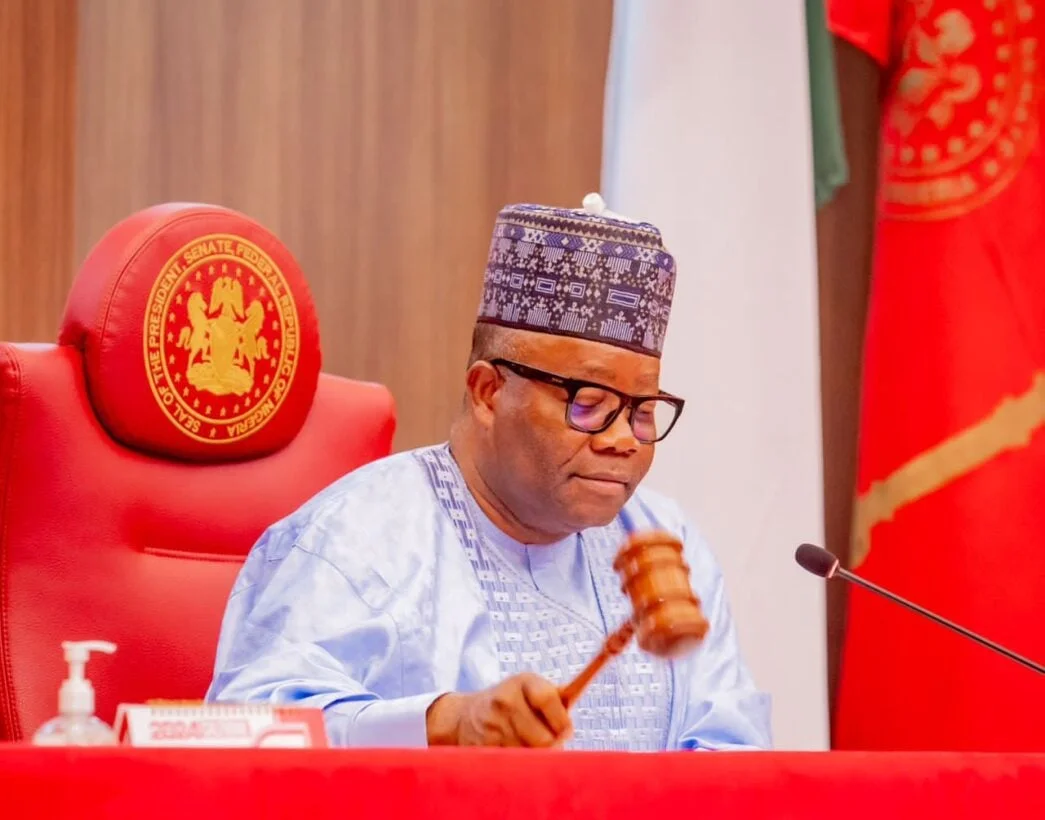

Nigeria has moved a step closer to establishing state police following reports that the Senate has passed constitutional amendment bills aimed at creating state-controlled police forces as part of ongoing efforts to address the country’s security challenges.
The development was disclosed on Wednesday by Imran Muhammad, Senior Special Assistant on New Media to the National Chairman of the All Progressives Congress (APC), who announced the passage of the amendment bills through a post on X. However, official details of the Senate’s proceedings were yet to be released at the time of filing this report.
The move comes weeks after the House of Representatives overwhelmingly approved a constitutional amendment bill seeking the establishment of state police across the federation, a reform widely regarded as one of the most significant changes to Nigeria’s security architecture since the return to democratic rule.
The proposed amendment seeks to decentralise policing by allowing states to establish and operate their own police services alongside the federal police structure. Supporters argue that the reform will improve intelligence gathering, emergency response, and community-based policing, particularly in areas affected by terrorism, banditry, kidnapping, communal violence, and other security threats.
Under the proposed framework, state police formations would be created through laws enacted by state Houses of Assembly and would be required to meet national standards prescribed by federal legislation. Governors would also have authority to issue directives to state police commissioners on matters relating to public safety and law enforcement.
The constitutional amendment is expected to proceed to the next stage of the amendment process, which includes approval by at least two-thirds of the 36 State Houses of Assembly before it can become part of the Constitution.
The push for state police has gained momentum amid persistent insecurity across different parts of the country, with proponents insisting that a decentralised policing system will enable more effective responses to local security challenges. Critics, however, have expressed concerns over possible political abuse, funding constraints, and coordination issues between federal and state security agencies.