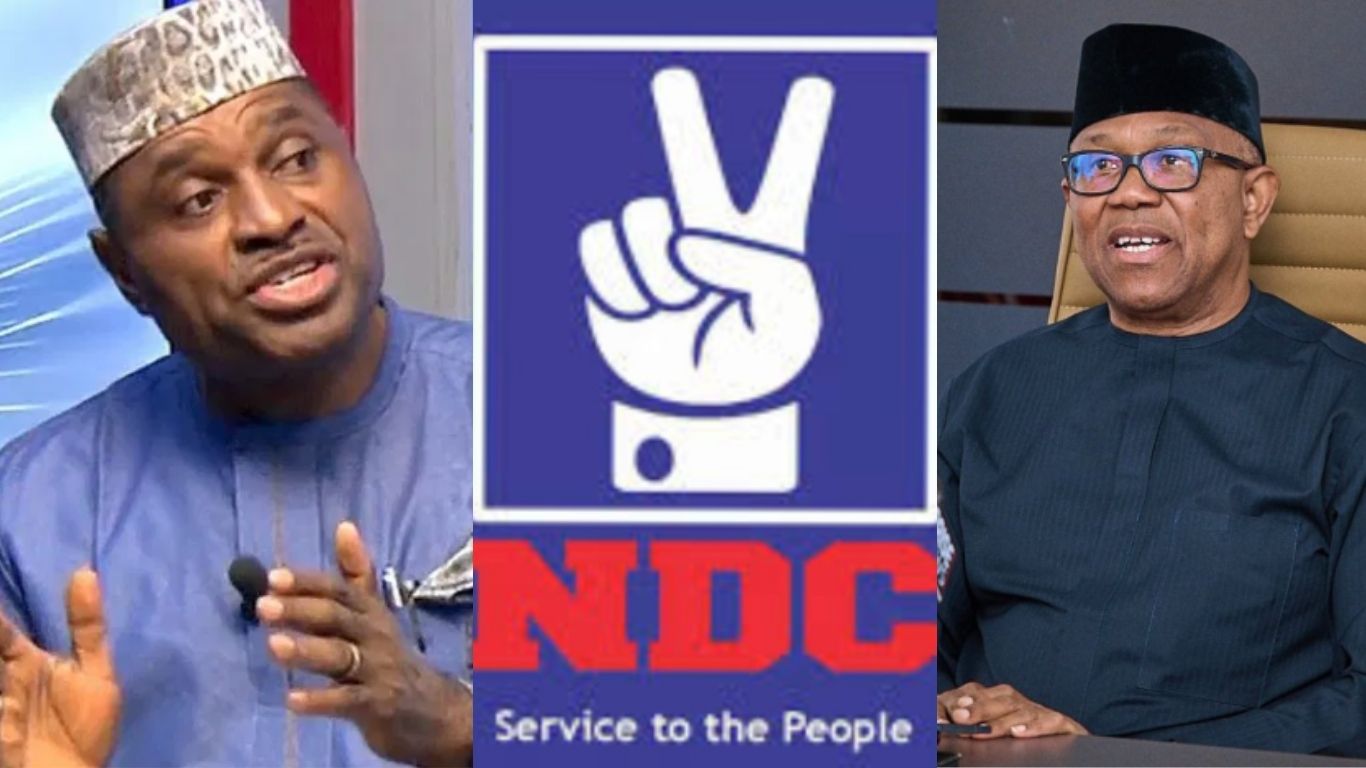

Okonkwo had earlier alleged that House of Representatives aspirants were made to pay ₦10 million, while senatorial aspirants allegedly paid ₦20 million during the party’s nomination process. He further claimed that one of the aspirants, Obunike Ohaegbu, provided him with details of the payments and evidence of the transactions.
The controversy has since escalated into a legal dispute, with Obi’s legal team, led by Senior Advocate of Nigeria (SAN) Alex Ejesieme, demanding ₦5 billion in damages and a public apology from Okonkwo over what it described as defamatory statements. Obi also threatened legal action if the demands are not met.
A chieftain of the African Democratic Congress (ADC), Kenneth Okonkwo, has released what he claims are WhatsApp conversations to support his allegations that the presidential candidate of the Nigerian Democratic Congress (NDC), Peter Obi, and some party leaders were involved in the collection of money from aspirants seeking elective positions.
Responding on Wednesday through a series of posts on his X account, Okonkwo published screenshots of what he described as conversations between himself and Ohaegbu. According to him, the chats support his claim that Peter Obi and certain South-East leaders of the NDC were linked to the disputed payments.
Okonkwo stated that Ohaegbu had allegedly informed him that when concerns were raised about who authorised the payments, party officials pointed to Peter Obi and other caucus leaders as being responsible for the arrangement.
In excerpts of the conversations shared by Okonkwo, Ohaegbu allegedly expressed dissatisfaction with the conduct of the party’s primary process, claiming that aspirants in Anambra State were not consulted on any consensus arrangement despite being encouraged to participate in primaries.
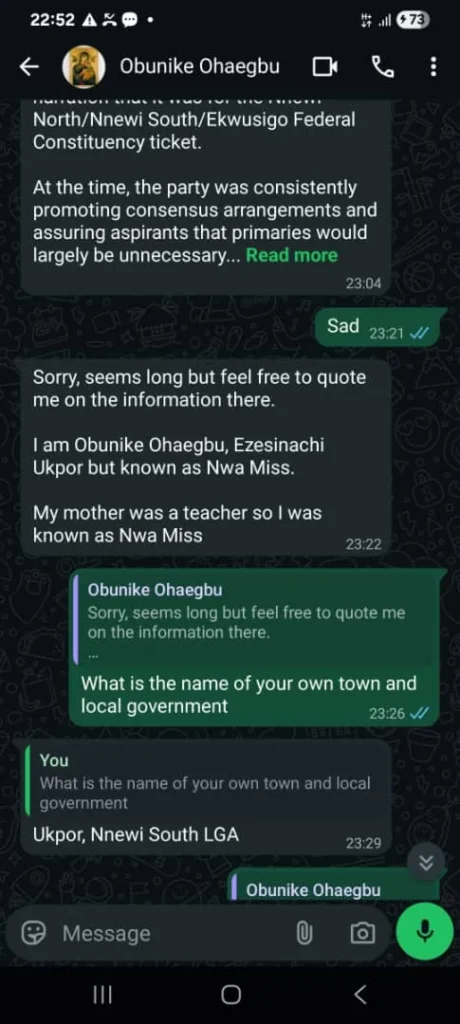
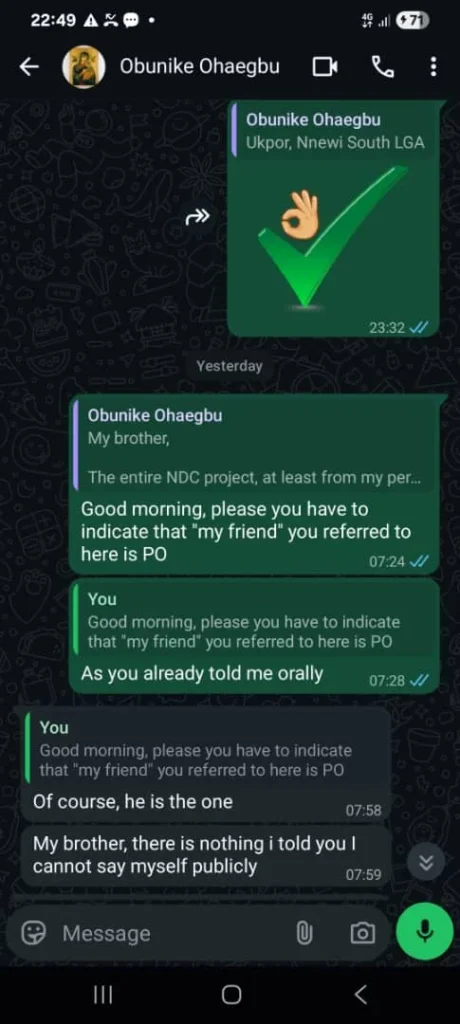
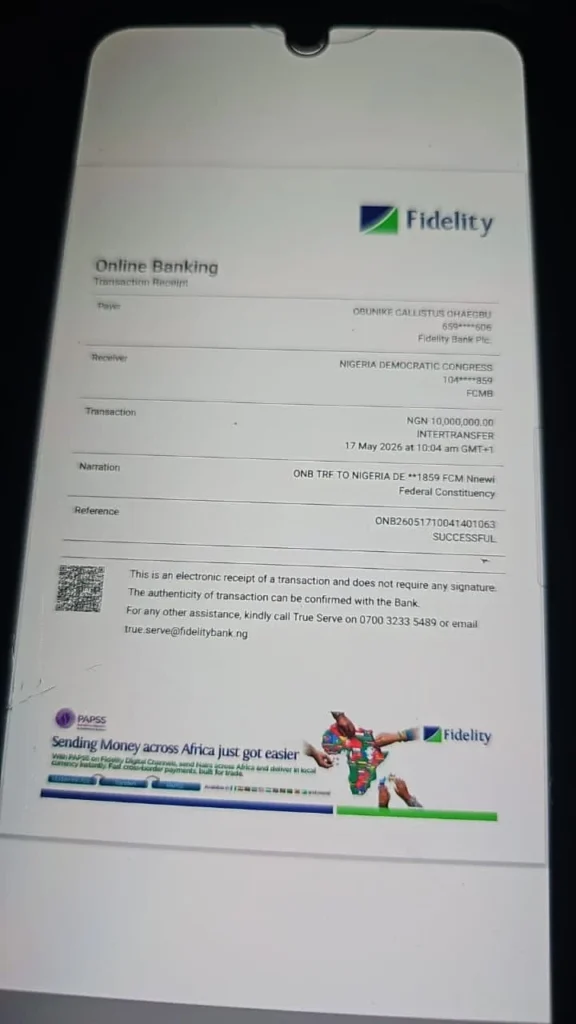
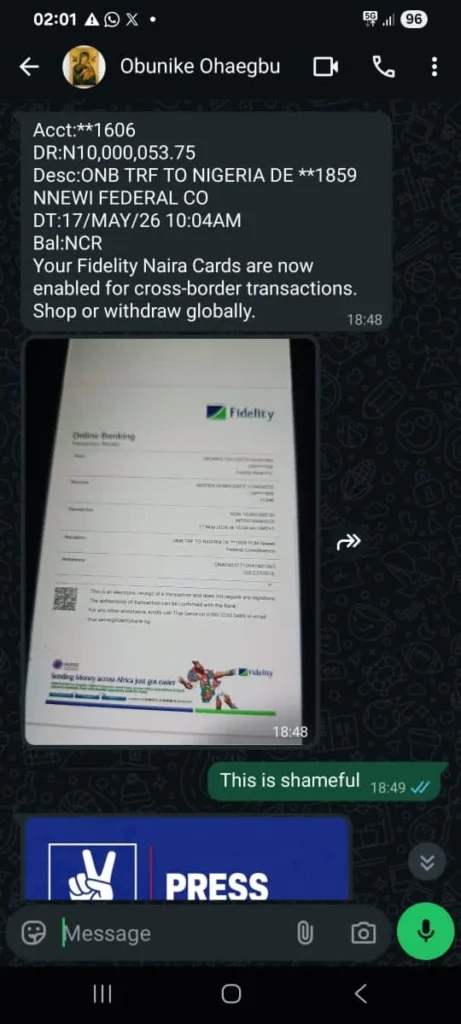
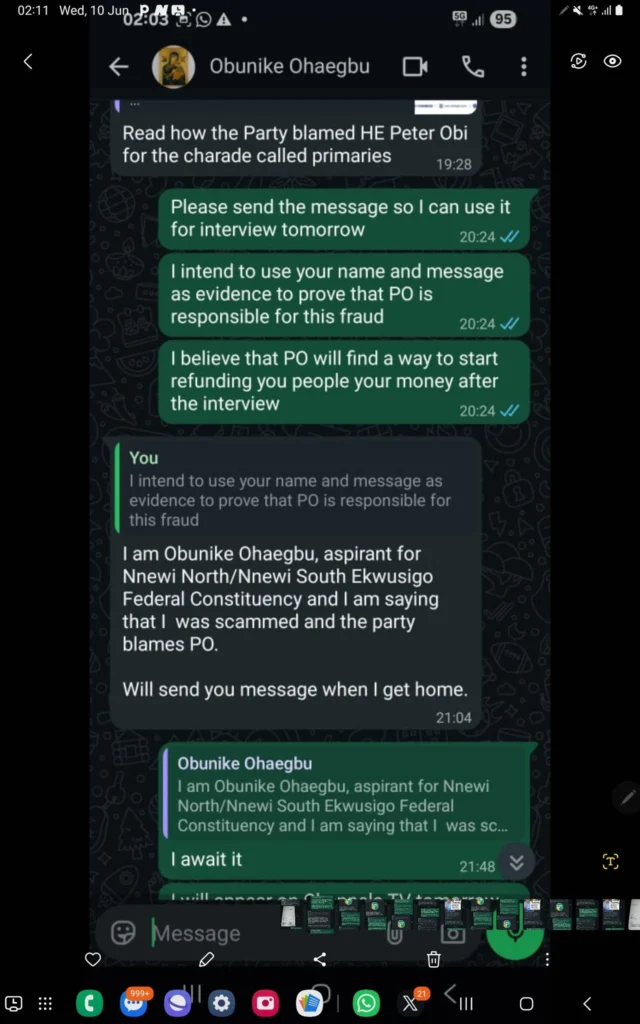
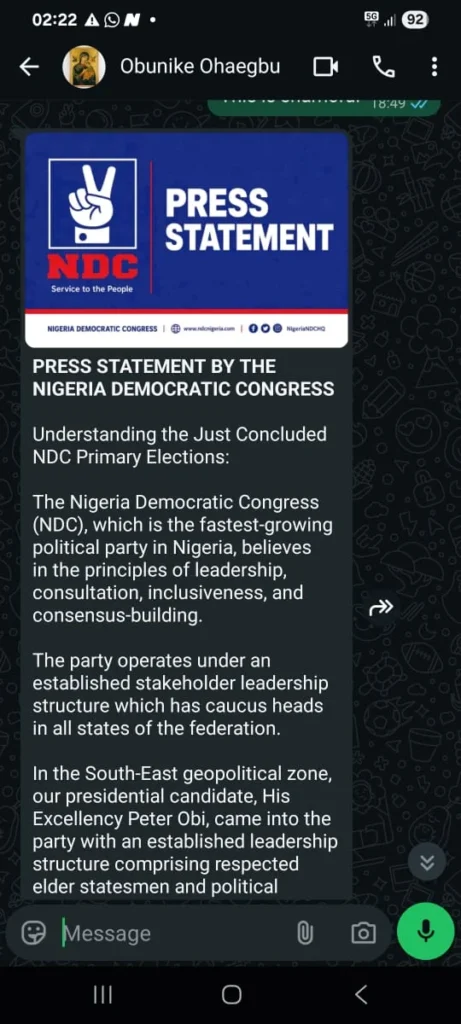
According to the messages, questions were raised about how a list of candidates was allegedly produced despite the absence of consultations, negotiations, or agreements among aspirants. The alleged conversations suggested that the process lacked transparency and raised concerns about the integrity of the party’s nomination exercise.
Okonkwo also defended his decision to make the allegations public, arguing that he had a civic and professional responsibility to disclose any information relating to alleged wrongdoing.
“As a citizen and a lawyer, I have a duty to disclose every crime against the state that comes within my knowledge,” he said, adding that no Nigerian should be subjected to fraud or exploitation without challenge.
The former Labour Party spokesperson, who was once a close ally of Obi, also maintained that he would formally respond to the legal demand after reviewing the letter from Obi’s lawyers.
He further warned that any court proceedings arising from the dispute could lead to the disclosure of additional information he acquired while serving as Obi’s spokesperson.
The dispute comes amid growing political tensions between the former allies, following Obi’s exit from the ADC and subsequent move to the NDC.