
Nigeria’s major anti-corruption agencies have agreed to strengthen collaboration in the fight against corruption, with particular emphasis on tackling procurement and contract fraud, which officials say accounts for the bulk of public sector corruption.
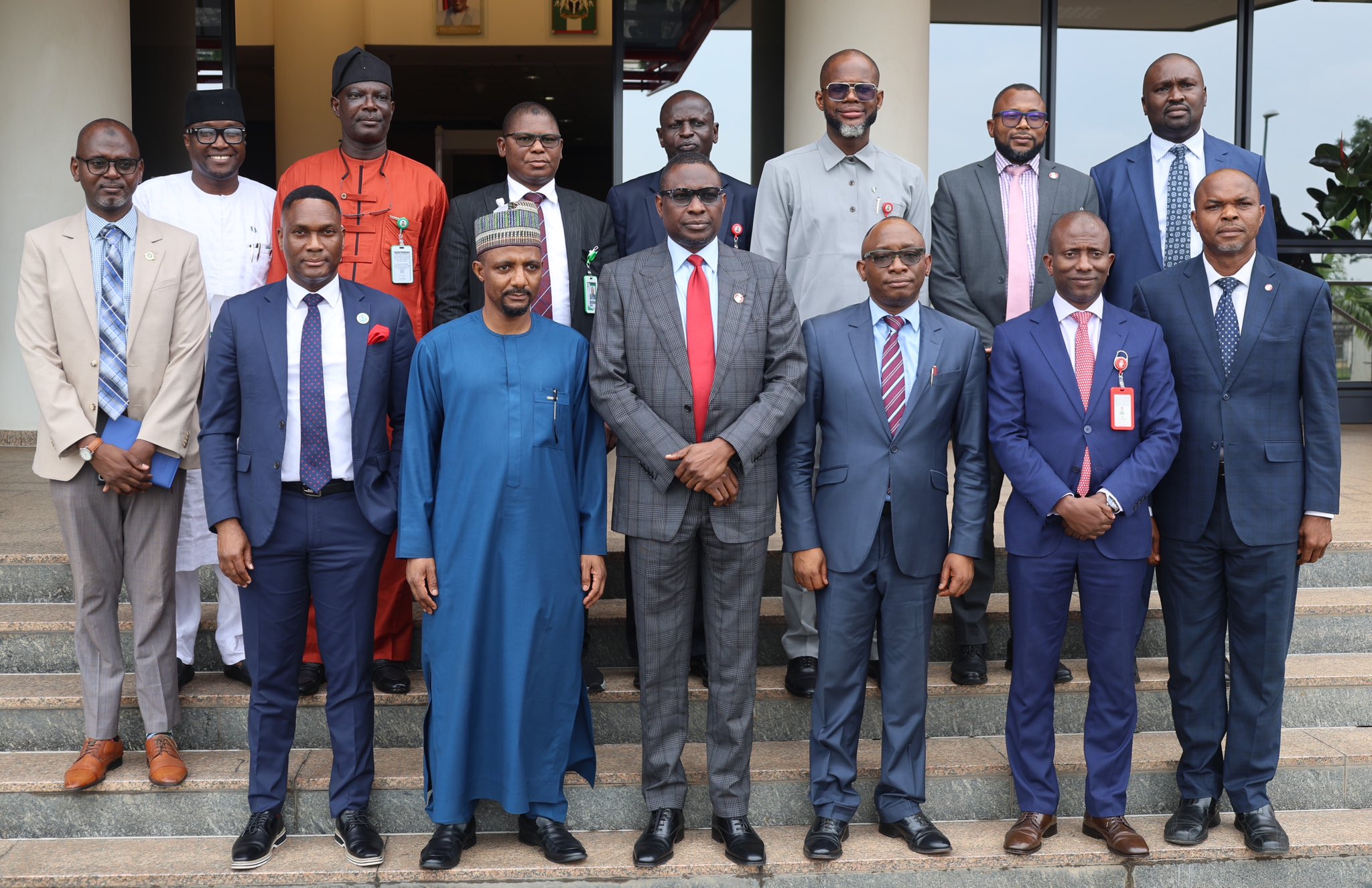
The resolution was reached on Wednesday during a strategic roundtable convened by the Chairman of the Economic and Financial Crimes Commission (EFCC), Ola Olukoyede, at the commission’s headquarters in Abuja.
The meeting brought together the leadership of the Independent Corrupt Practices and Other Related Offences Commission (ICPC), the Code of Conduct Bureau (CCB), and the Bureau of Public Procurement (BPP) to develop a coordinated strategy for addressing corruption across public institutions.
Speaking at the meeting, Olukoyede described procurement fraud as the single largest source of corruption in Nigeria’s public sector, estimating that it accounts for more than 80 per cent of corrupt practices involving government funds.
He stressed that stronger collaboration among anti-corruption agencies would enhance intelligence sharing, improve joint investigations, strengthen prosecution efforts and promote more effective preventive measures.
According to the EFCC Chairman, tackling procurement and contract fraud would significantly improve public service delivery while reducing the enormous financial losses suffered by the country.
To institutionalise the partnership, Olukoyede proposed the development of a Standard Operating Procedure (SOP) to guide collaboration among the agencies, alongside quarterly coordination meetings, joint monitoring mechanisms and regular capacity-building programmes.
The Chairman of the ICPC, Dr. Musa Adamu Aliyu (SAN), welcomed the initiative, noting that closer cooperation would eliminate duplication of investigations, improve operational efficiency and strengthen public confidence in Nigeria’s anti-corruption framework.
Similarly, the Chairman of the Code of Conduct Bureau, Dr. Abdullahi Usman Bello, expressed support for the partnership, warning that corruption has cost Nigeria between ₦7 trillion and ₦25 trillion over the years.
He identified procurement fraud as one of the country’s most significant governance challenges and urged anti-corruption agencies to deepen information sharing and collaborative enforcement efforts.
Also speaking, the Director-General of the Bureau of Public Procurement, Dr. Adebowale Adedokun, called for greater emphasis on preventive strategies by strengthening procurement systems rather than relying solely on enforcement.
According to him, transparent and accountable procurement processes remain among the most effective tools for reducing corruption, improving value for public spending and promoting good governance.
He warned that weak procurement systems often result in abandoned projects, inflated contract costs, substandard infrastructure and widespread waste of public resources.
The agencies expressed optimism that a more coordinated approach would strengthen Nigeria’s anti-corruption architecture and improve accountability in the management of public funds.